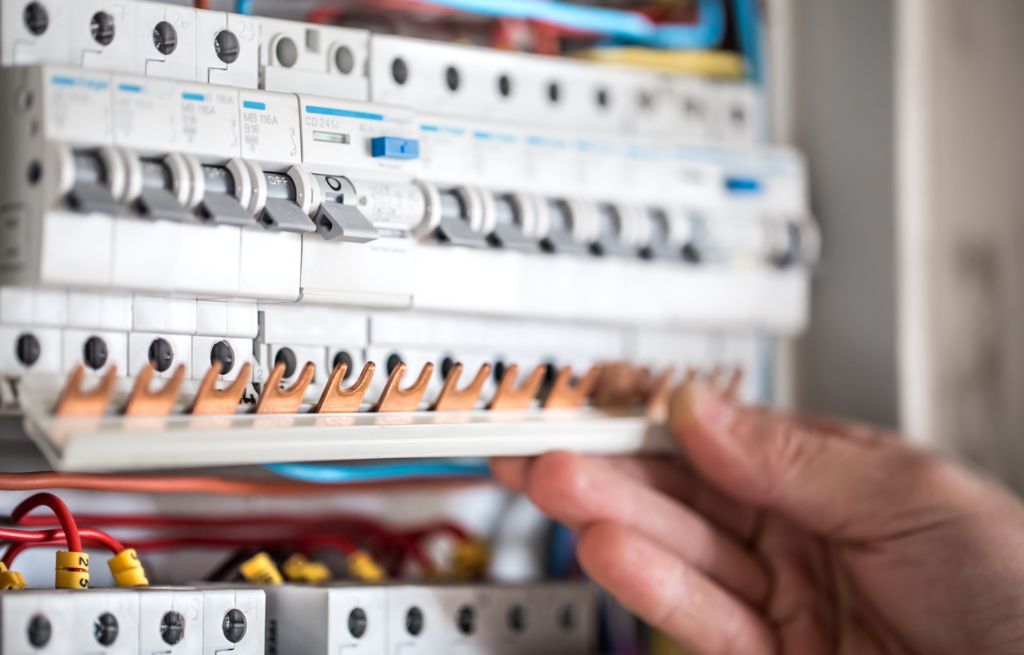
A circuit breaker is designed to protect your electrical system. When it trips, it shuts off power to a circuit to help prevent overheating, damage, and potential fire hazards. So while a breaker tripping once in a while does not always mean something is seriously wrong, a breaker that keeps tripping should never be ignored.
Repeated tripping is usually a warning sign that something in the system is overloaded, damaged, or unsafe. The breaker is doing its job, but the reason behind it needs attention. For homeowners and property owners in Toronto and the GTA, understanding what this means can help prevent bigger electrical problems and protect the safety of the property.
What a Tripping Breaker Actually Means
A circuit breaker trips when it detects a problem on the circuit. Its purpose is to stop the flow of electricity before wires overheat or equipment gets damaged. In that sense, the tripping itself is a safety feature.
The real concern is not the breaker shutting off. The concern is why it keeps happening.
If the same breaker trips again and again, there is usually an issue that has not been resolved. In some cases, it may be something simple, such as too many devices running on one circuit. In other cases, it could point to faulty wiring, a short circuit, or a problem inside the electrical panel.
Is It Dangerous?
Yes, it can be dangerous if a circuit breaker keeps tripping.
A breaker that trips repeatedly may be warning you about excessive electrical demand, damaged wiring, a failing appliance, or a fault in the circuit. Ignoring the problem can increase the risk of overheating, electrical damage, and in some situations, fire.
The level of danger depends on the cause. A minor overload may be less serious, but recurring trips should still be checked. A short circuit, ground fault, loose connection, or damaged breaker is more urgent and should be inspected by a licensed electrician as soon as possible.
The important thing to remember is this: the breaker is not the problem by itself. It is a sign that the system is reacting to a condition that may be unsafe.
Common Reasons a Breaker Keeps Tripping
Overloaded Circuit
One of the most common causes is an overloaded circuit. This happens when too many lights, devices, or appliances are running on the same circuit at the same time. The electrical demand becomes greater than what the circuit is designed to handle, so the breaker trips to protect the wiring.
This often happens in kitchens, bathrooms, laundry areas, garages, and home offices where multiple high-demand devices may be used together.
Short Circuit
A short circuit happens when electricity moves along an unintended path. This can occur because of damaged wires, loose connections, or faulty components. Short circuits can produce heat and create a more serious safety concern than a simple overload.
If a breaker trips immediately after being reset, or trips as soon as a certain switch or appliance is used, a short circuit may be the cause.
Ground Fault
A ground fault is similar to a short circuit, but it usually involves electricity finding a path to ground, often in areas where moisture is present. Bathrooms, kitchens, outdoor outlets, and basements are common places for this type of issue.
Ground faults can be dangerous because they increase the risk of electrical shock. That is one reason GFCI protection is required in certain locations.
Faulty Appliance or Device
Sometimes the problem is not the wiring itself but an appliance plugged into the circuit. A damaged toaster, microwave, space heater, or other device can trip the breaker when it turns on. If the tripping only happens when one item is used, that appliance may need to be checked or replaced.
Worn or Failing Breaker
In some cases, the breaker itself may be worn out or failing. Older electrical systems and panels can develop issues over time, especially in properties that have not been updated to match modern power demands. A failing breaker may trip too easily, not reset properly, or behave inconsistently.
Signs the Situation May Be More Serious
A breaker that trips now and then still deserves attention, but some signs suggest a more urgent electrical issue. These include:
A breaker that trips immediately after resetting
A burning smell near the panel or outlets
Buzzing or crackling sounds
Warm outlets, switches, or panel surfaces
Flickering lights before the breaker trips
Scorch marks or discoloration around outlets or the panel
Power loss affecting important appliances or equipment
These symptoms may indicate overheating, loose wiring, or internal damage. That is when professional diagnosis becomes especially important.
What You Should Not Do
If a breaker keeps tripping, do not keep resetting it over and over without investigating the cause. Resetting it once may be reasonable, but repeated resets can allow a serious issue to continue unnoticed.
You should also avoid replacing a breaker with a larger one just to stop the tripping. That does not solve the problem and can make the situation more dangerous by allowing too much current to flow through wires that were not designed for it.
Electrical panels and breakers should only be repaired or replaced by a licensed electrician.
What You Can Check First
Before calling an electrician, there are a few safe things you can look at.
Try unplugging devices on the affected circuit and see whether the breaker still trips. Think about whether a new appliance, heater, or tool was recently added to that area. If the circuit only trips when certain equipment is running, that helps narrow down the cause.
You can also check whether a GFCI outlet nearby has tripped, especially in kitchens, bathrooms, basements, garages, or outdoor areas. Sometimes a GFCI issue can affect multiple outlets on the same circuit.
If the breaker still trips after reducing the load, or if the cause is not obvious, it is time to schedule a professional inspection.
When to Call a Licensed Electrician
You should call a licensed electrician when a breaker trips repeatedly, when it will not stay reset, or when there are any signs of heat, odor, buzzing, or visible damage.
A qualified electrician can test the circuit, inspect the panel, identify whether the problem is an overload or a fault, and recommend the safest solution. That may involve repairing wiring, replacing a faulty breaker, redistributing the electrical load, or upgrading the panel if the system no longer suits the property’s needs.
Trusted Electrical Help in Toronto and the GTA
At NuPower Inc., we provide safe, code-compliant electrical troubleshooting and repair for residential and commercial properties across Toronto and the GTA. With more than 15 years of experience, our team helps property owners diagnose breaker issues, resolve electrical faults, and keep their systems working safely and reliably.
Whether the issue is a recurring overload, a damaged circuit, or a panel problem, early action can help prevent more serious repairs later.
Final Thoughts
So, is it dangerous if a circuit breaker keeps tripping? In many cases, yes. Even when the immediate cause is something simple, repeated tripping is still a sign that the circuit needs attention. The breaker is protecting you, but it is also warning you.
The safest approach is to take recurring breaker trips seriously and have the issue checked before it turns into a larger electrical problem.