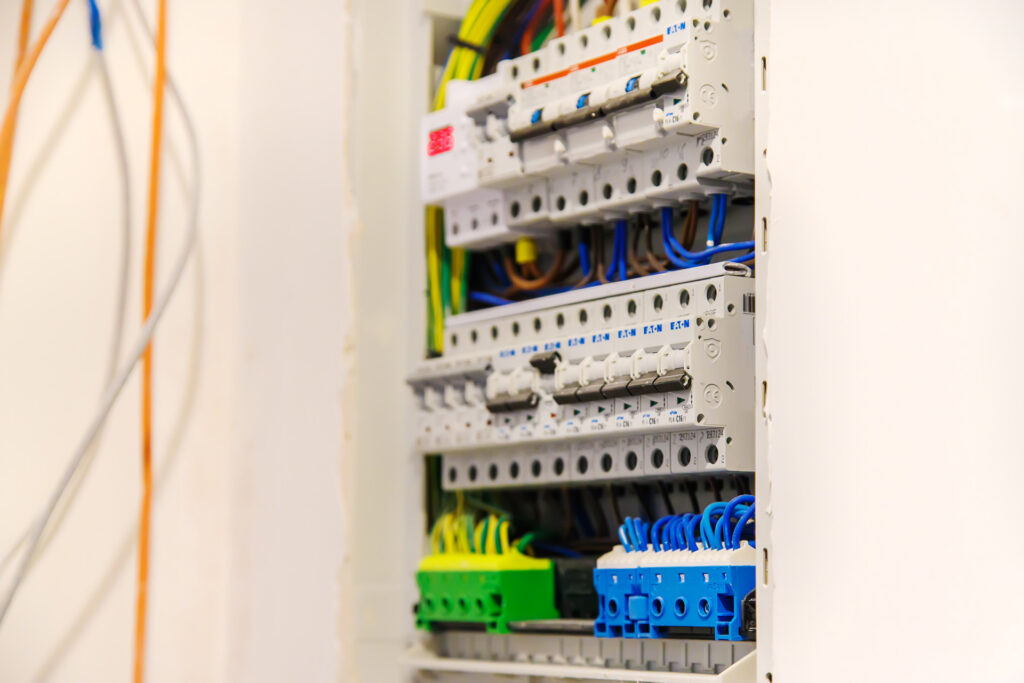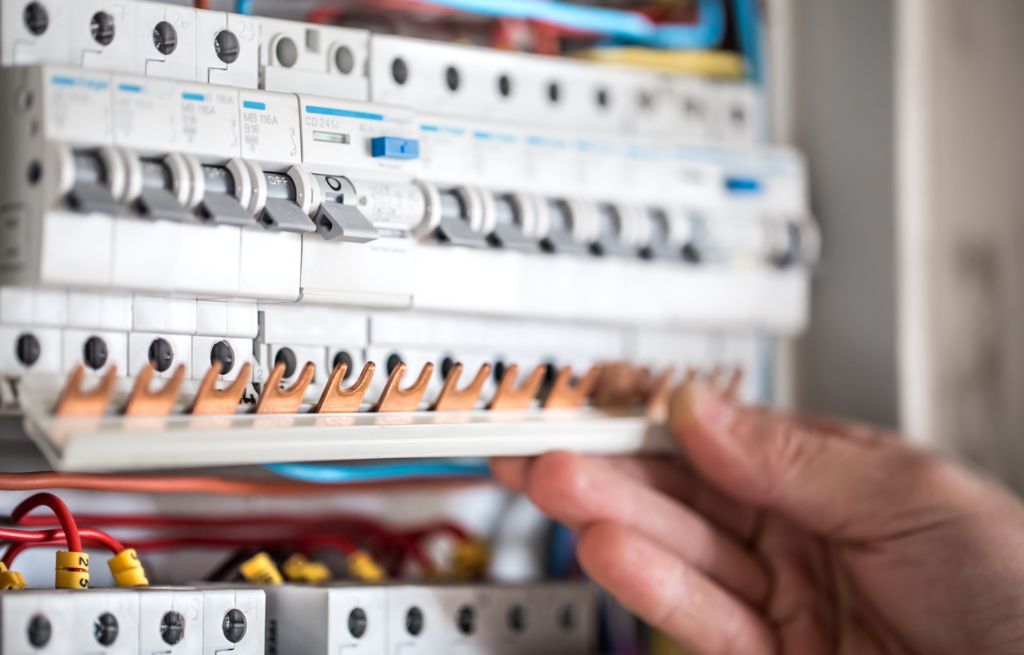
Electrical problems can start small, then quickly turn into bigger safety concerns if they are ignored. A breaker that keeps tripping, an outlet that suddenly stops working, or a GFCI that will not reset may seem minor at first, but these warning signs often point to deeper issues within the electrical system.
For homeowners and property managers in Toronto and the GTA, understanding what these problems mean can help prevent inconvenience, protect appliances, and reduce the risk of damage or electrical hazards. The key is knowing what is normal, what is not, and when it is time to call a licensed electrician.
Why Common Electrical Problems Should Never Be Ignored
Your electrical system is designed to deliver safe and consistent power throughout your property. When something interrupts that flow, there is usually a reason. In some cases, the cause is simple, such as an overloaded circuit. In others, it may involve faulty wiring, moisture exposure, damaged outlets, or aging electrical components.
Even if the problem seems occasional, repeated electrical issues should not be dismissed. They often signal that a part of the system is under stress or beginning to fail.
What Breaker Issues Usually Mean
Circuit breakers are built to protect your home or commercial space. When a breaker trips, it shuts off power to prevent overheating, overloads, or electrical faults. That means a tripped breaker is not the problem itself. It is a sign that something else needs attention.
One of the most common causes of breaker issues is an overloaded circuit. This happens when too many devices or appliances are drawing power from the same circuit at once. Kitchens, bathrooms, laundry rooms, and work areas often experience this when larger appliances are used together.
Another possible cause is a short circuit. This happens when electrical current travels along an unintended path, often due to damaged wiring or faulty connections. Short circuits can create heat and increase the risk of fire if they are not addressed.
Ground faults can also trip breakers, especially in areas where moisture is present. In older properties, breaker issues may be related to aging panels, worn breakers, or systems that were never designed for today’s electrical demands.
If a breaker trips once, resets, and works normally, the issue may have been temporary. If it keeps happening, there is likely a problem that needs professional diagnosis.
Understanding GFCI Problems
GFCI stands for ground fault circuit interrupter. These outlets are commonly installed in kitchens, bathrooms, laundry rooms, garages, basements, and outdoor spaces where water may be present. Their job is to quickly cut off power if they detect an imbalance in electrical current, helping reduce the risk of electric shock.
A GFCI outlet that trips occasionally may be doing exactly what it is supposed to do. However, if it keeps tripping for no clear reason, will not reset, or stops supplying power, it may indicate a larger issue.
Sometimes the cause is moisture inside the outlet or nearby wiring. In other cases, a worn-out GFCI device may simply need replacement. Loose connections, improper installation, or faults elsewhere on the same circuit can also affect how the GFCI behaves.
It is also common for one tripped GFCI to affect multiple outlets. If an outlet in a bathroom, kitchen, or exterior wall is not working, the actual issue may be a reset button on another nearby GFCI outlet.
When GFCIs stop working properly, it is important to address the problem promptly. These devices are an important safety feature, especially in areas where electrical systems are exposed to humidity or water.
Other Common Electrical Problems Property Owners Notice
Breaker and GFCI issues are only part of the picture. There are several other electrical problems that often show up in homes and commercial properties.
Flickering or dimming lights are one of the most common complaints. This may happen when a large appliance starts up, but it can also point to loose wiring, panel issues, or circuits that are struggling to handle demand.
Dead outlets are another frequent issue. Sometimes the cause is a tripped breaker or GFCI, but in other cases the outlet itself has failed or the wiring connection behind it has come loose.
Warm outlets or switch plates should always be taken seriously. Electrical devices should not feel unusually hot to the touch. Heat can indicate loose wiring, overloaded circuits, or internal damage.
Buzzing sounds from outlets, switches, or the electrical panel are also warning signs. Electricity should not create crackling or buzzing noises during normal operation. These sounds may mean arcing, faulty connections, or damaged components.
Burning smells, discolored outlets, or scorch marks are more urgent signs of trouble. These symptoms suggest overheating and should be inspected right away by a licensed electrician.
Why These Problems Happen
Electrical issues usually develop because of one or more underlying causes. In many Toronto and GTA properties, age plays a major role. Older wiring, outdated panels, and worn outlets may no longer perform well under modern electrical demands.
Renovations and added equipment can also put pressure on a system. EV chargers, new kitchen appliances, basement suites, home offices, and upgraded lighting all increase the demand on circuits and panels. If the system was not upgraded properly, recurring electrical problems often follow.
Poor workmanship is another cause. Improperly installed outlets, loose connections, undersized circuits, and unapproved modifications can all create long-term issues. Sometimes the symptoms only appear months or years later.
Moisture is also a major factor, especially in basements, outdoor areas, kitchens, and bathrooms. Water and electricity are never a safe combination, which is why protective devices like GFCIs are so important.
When to Call a Licensed Electrician
Some minor issues, like resetting a tripped breaker once or pressing the reset button on a GFCI, may seem simple. But if the same issue comes back, it is time for a professional inspection.
You should call a licensed electrician if breakers trip repeatedly, outlets stop working without explanation, GFCIs will not reset, lights flicker often, or you notice heat, odor, or unusual sounds coming from any part of the electrical system.
Electrical problems are not always visible on the surface. A licensed electrician can identify whether the issue is isolated to one outlet or part of a larger concern involving the circuit, panel, or wiring behind the walls.
Preventing Bigger Electrical Problems
The best way to avoid larger repairs is to act early. Small warning signs often appear before major failures happen. Routine inspections, proper upgrades, and professional installation work can help keep your system safe and reliable.
This is especially important for older homes, commercial spaces, and custom home projects where electrical demands may be changing. A modern property needs an electrical system that can safely support current usage without overloading or compromising safety.
Trusted Electrical Help in Toronto and the GTA
At NuPower Inc., we help homeowners and businesses across Toronto and the GTA identify and resolve electrical problems safely and professionally. With more than 15 years of experience, we handle breaker issues, GFCI problems, outlet repairs, panel concerns, and other electrical troubleshooting with a strong focus on code-compliant workmanship and dependable service.
Whether you are dealing with a recurring breaker trip, a dead outlet, or warning signs you do not want to ignore, professional diagnosis is the safest next step.
Final Thoughts
Breaker issues, faulty GFCIs, and other common electrical problems are more than everyday inconveniences. They are often early signs that your electrical system needs attention. The sooner the cause is identified, the easier it is to prevent larger risks and costly repairs.
If your electrical system is showing signs of trouble, do not wait for the issue to get worse. Safe, reliable power starts with proper inspection and expert repair.